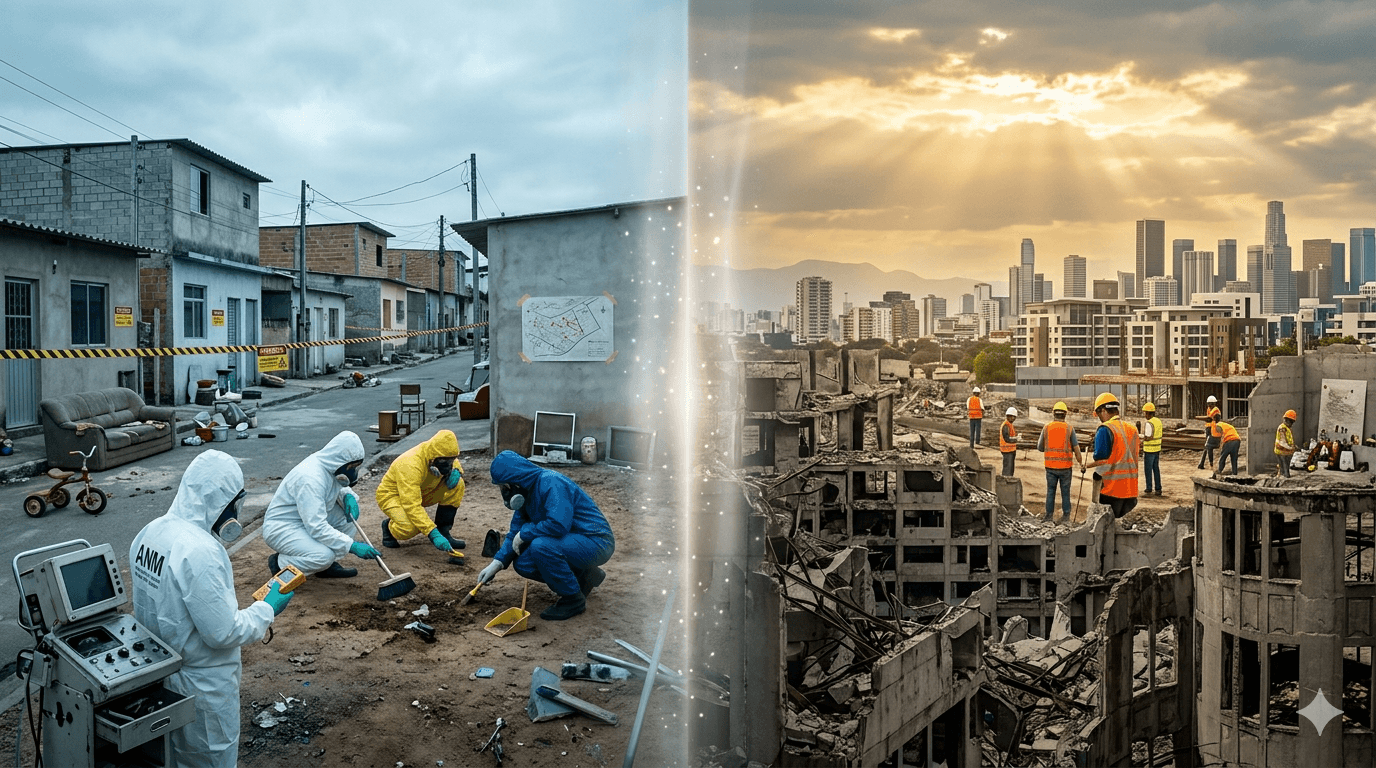
Almost 40 years earlier, on the other side of the world, in 1945, Hiroshima had been destroyed in seconds by a nuclear bomb.
Two different events.
But with something in common:
👉 radiation out of control
And, after the chaos, an inevitable question:
👉 how to rebuild after the invisible?
🇧🇷 Goiânia, 1987: the accident no one saw coming


4
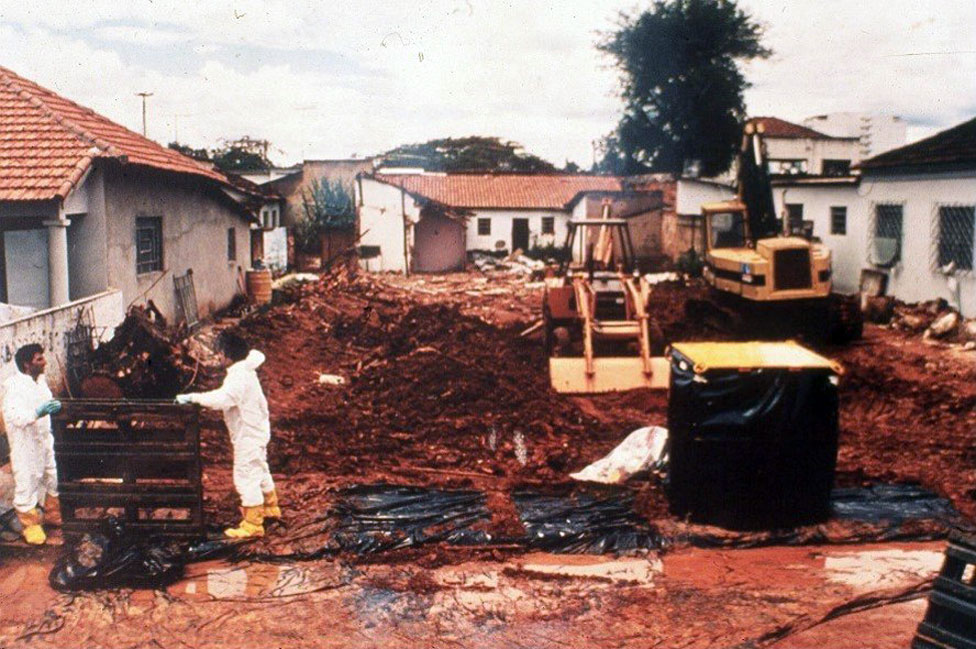
It all started with an abandoned device.
A radiotherapy machine, left behind in a closed clinic.
No protection.
No control.
No information.
Two men found the device and took it to a scrapyard.
Inside it, there was a bright blue powder.
Beautiful.
Curious.
Deadly.
Unknowingly, people started touching, carrying, and even sharing that material.
Within days:
-
dozens of contaminated people
-
entire neighborhoods isolated
-
houses demolished
-
lives changed forever
⚠️ The biggest mistake was not technical
It was informational.
No one knew what was happening.
👉 Radiation has no smell
👉 No color (despite the glow in the case of Cesium)
👉 It does not warn
The Goiânia tragedy exposed a harsh truth:
👉 lack of information can be as dangerous as the risk itself
🇯🇵 Hiroshima, 1945: when the world saw total destruction

4
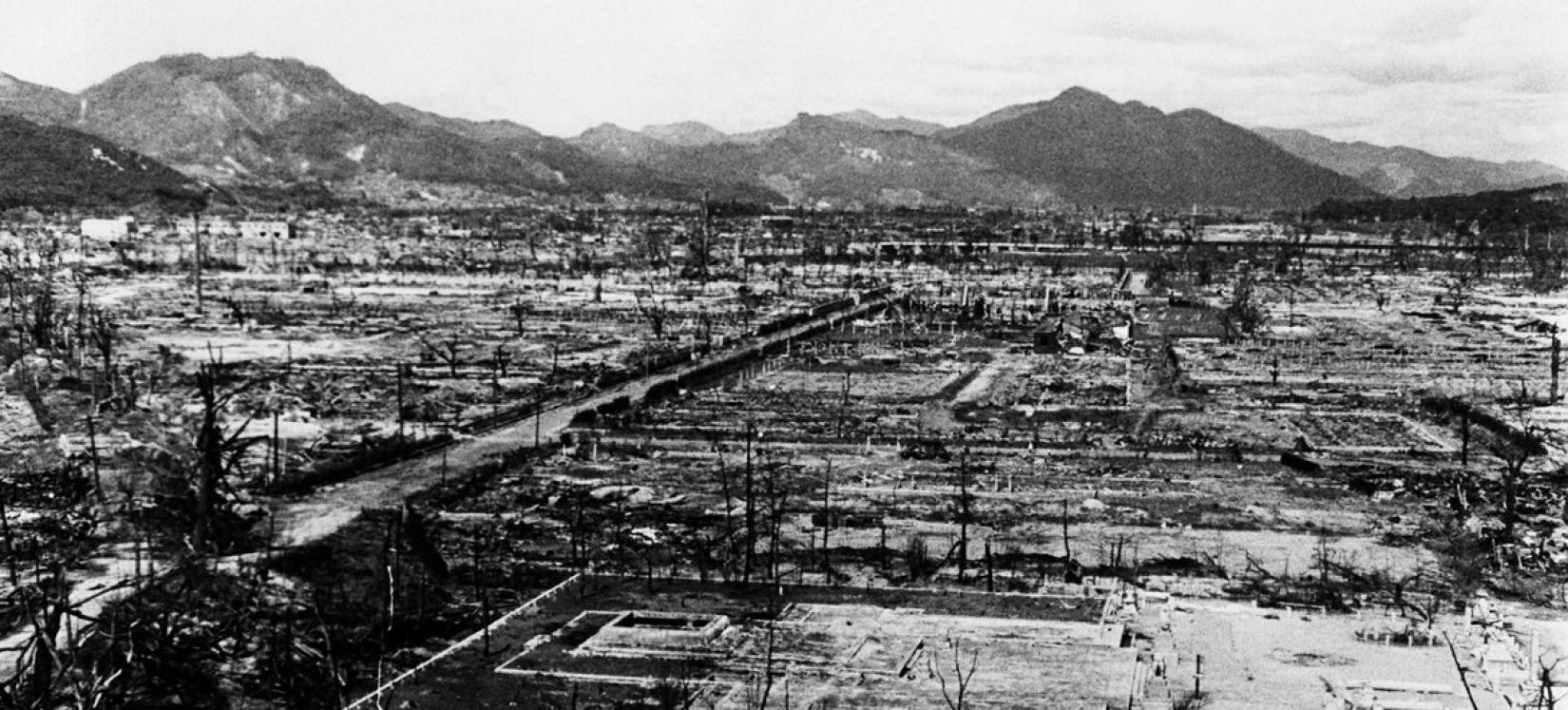
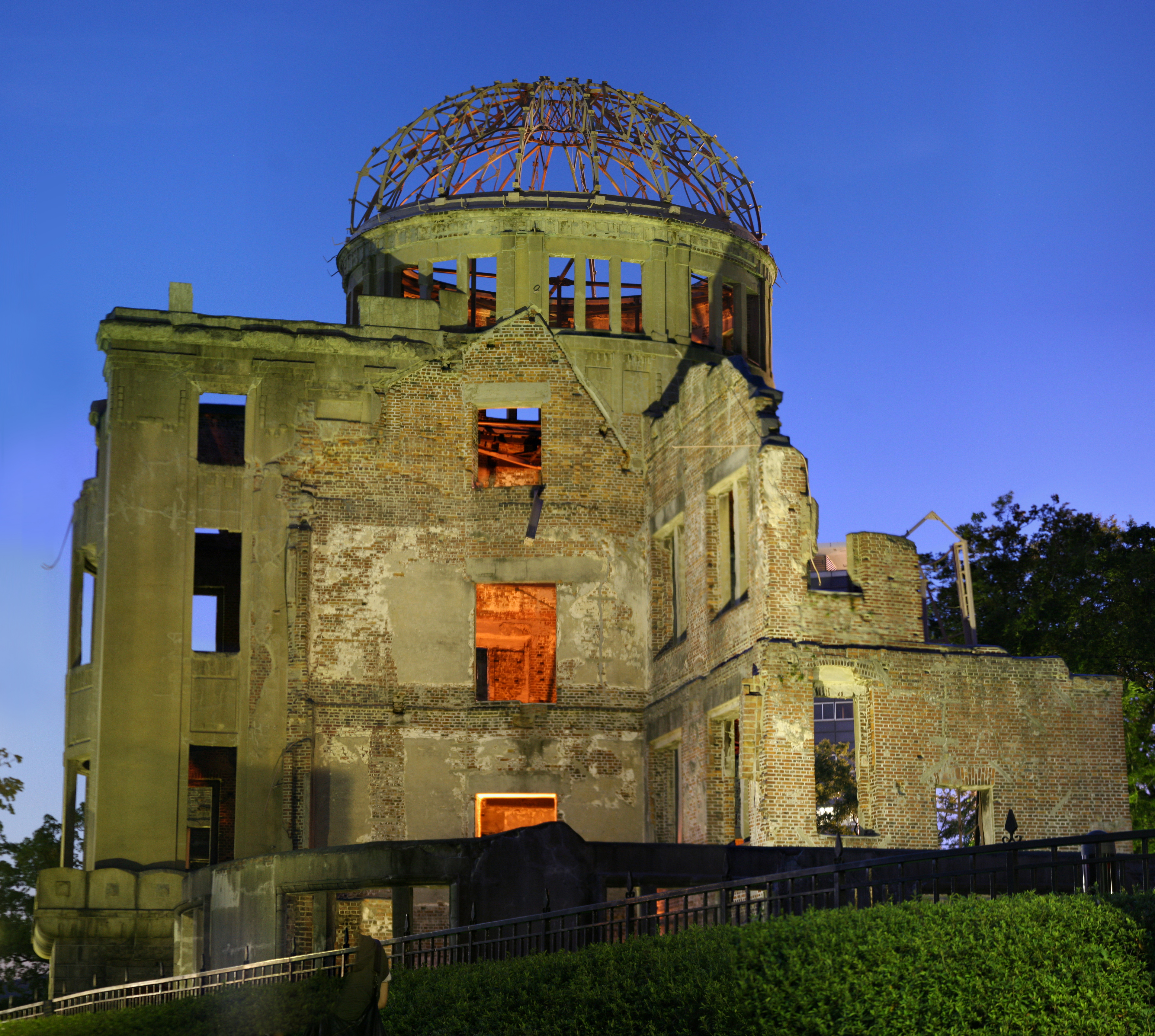
On August 6, 1945, a nuclear bomb exploded over Hiroshima.
In seconds:
-
more than 70 thousand people died
-
the city was practically wiped out
-
structures disappeared
-
the soil was contaminated
Unlike Goiânia, here the impact was immediate.
But the invisible enemy remained:
👉 radiation
🧠 And then came the impossible question
How to rebuild a place where:
-
the soil was contaminated?
-
the infrastructure vanished?
-
the risk still existed?
The answer came with something that goes far beyond construction:
👉 engineering + science + planning + resilience
🏗️ The role of engineering in Hiroshima's reconstruction

4
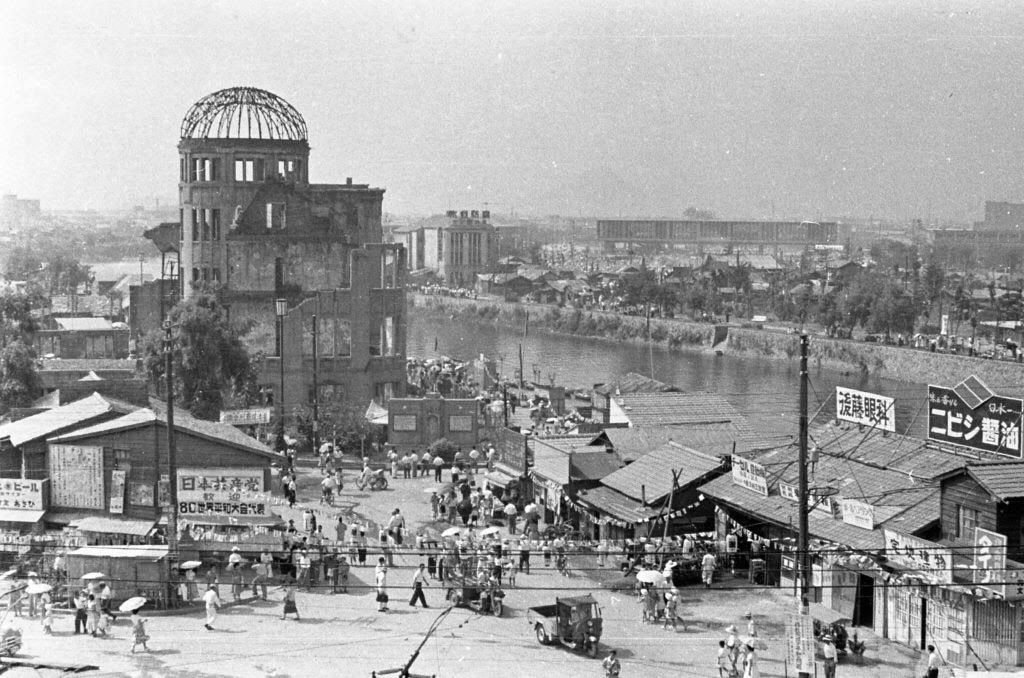
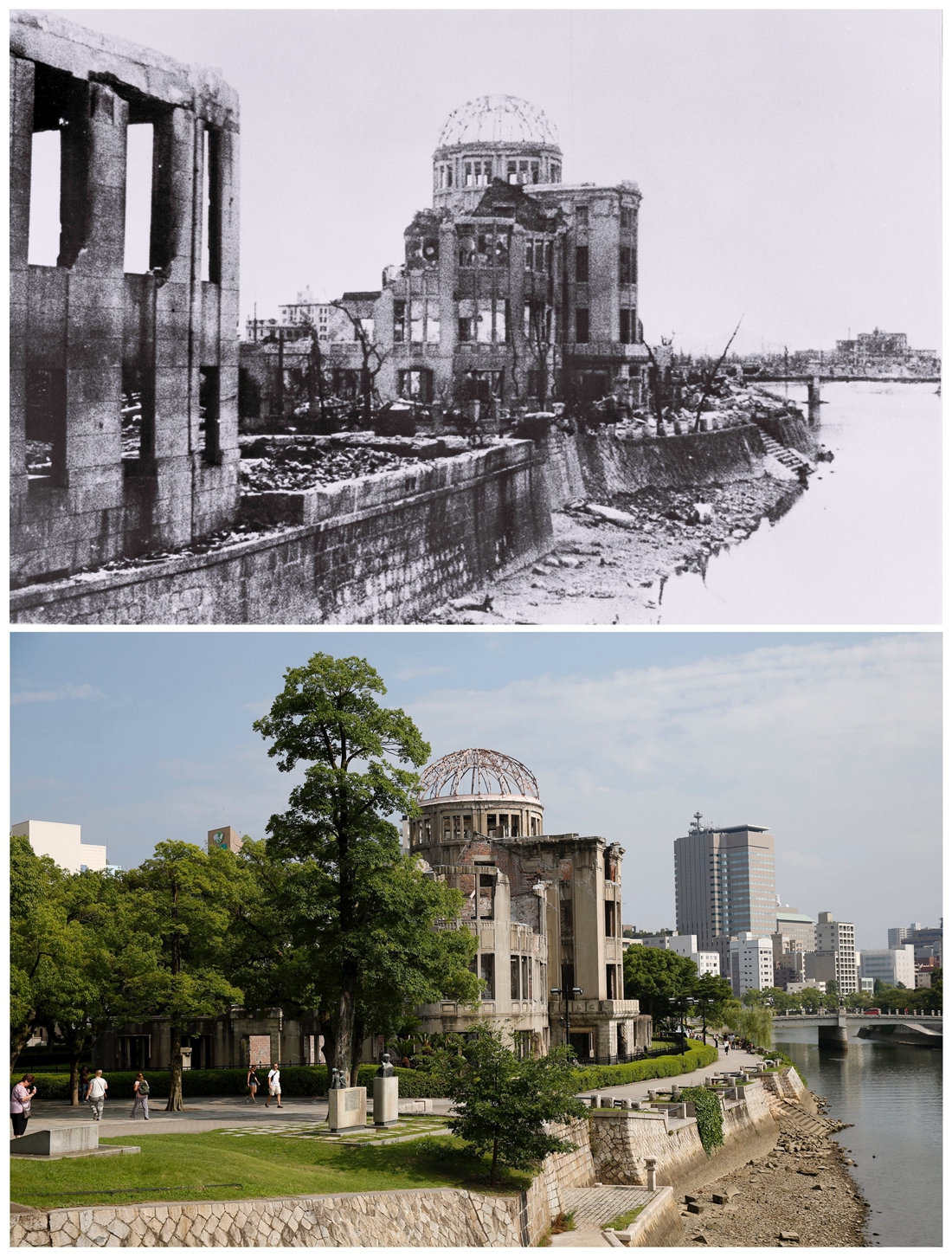
Hiroshima's reconstruction was not just physical.
It was strategic.
1. 🧪 Radiation control and study
Before building, it was necessary to understand:
-
contamination levels
-
safe areas
-
soil impact
👉 science directly applied to engineering
2. 🏙️ Comprehensive urban planning
The city was redesigned:
-
new roads
-
open areas
-
safety zones
-
modern infrastructure
👉 it was not just rebuilding — it was reimagining
3. 🏗️ New construction standards
The reconstruction brought:
-
more resistant structures
-
improvements in urban organization
-
integration between public space and safety
4. 🌿 Symbolic transformation
Hiroshima became:
👉 a symbol of peace
👉 an example of resilience
👉 a proof of what engineering can achieve
## ⚖️ Brazil vs Japan: two tragedies, two lessons
| Aspect | Goiânia (1987) | Hiroshima (1945) |
|--------|----------------|------------------|
| Event type | Radiological accident | Nuclear bomb |
| Scale | Local | Massive |
| Main cause | Control and information failure | War |
| Biggest problem | Lack of knowledge | Total destruction |
| Response | Emergency containment | Planned reconstruction |
🔥 The common point no one notices
In both cases:
👉 the danger was invisible
👉 information arrived late
👉 the impact was devastating
But there is a crucial difference:
👉 what was done afterward
🚀 What this teaches engineering today
These events show that engineering is not just building.
It is:
-
anticipating risks
-
controlling information
-
protecting lives
-
rebuilding intelligently
🧠 Modern engineering has learned (or should have learned)
Today we have:
-
real-time monitoring
-
sensors (IoT)
-
digital modeling (BIM)
-
risk control
But all depends on one factor:
👉 correct use of information
⚠️ The greatest risk remains invisible
It is not radiation.
It is not concrete.
It is not steel.
👉 It is lack of control
👉 It is management failure
👉 It is absence of information
🌍 Conclusion: when everything ends, engineering begins
Goiânia showed what happens when we fail.
Hiroshima showed what is possible when we rebuild.
Between error and reconstruction there is a path:
👉 knowledge
👉 responsibility
👉 engineering
🔎 Final reflection
If an invisible error happened today…
👉 would your project, your company, or your city be prepared?
📚 Sources and references
-
Goiânia radiological accident
-
Hiroshima atomic bombing
-
Radioactive Emergency
-
Historical reports, urban reconstruction studies, and radiation impacts
-
Build Brazil Guide (engineering context, management, and technological evolution)